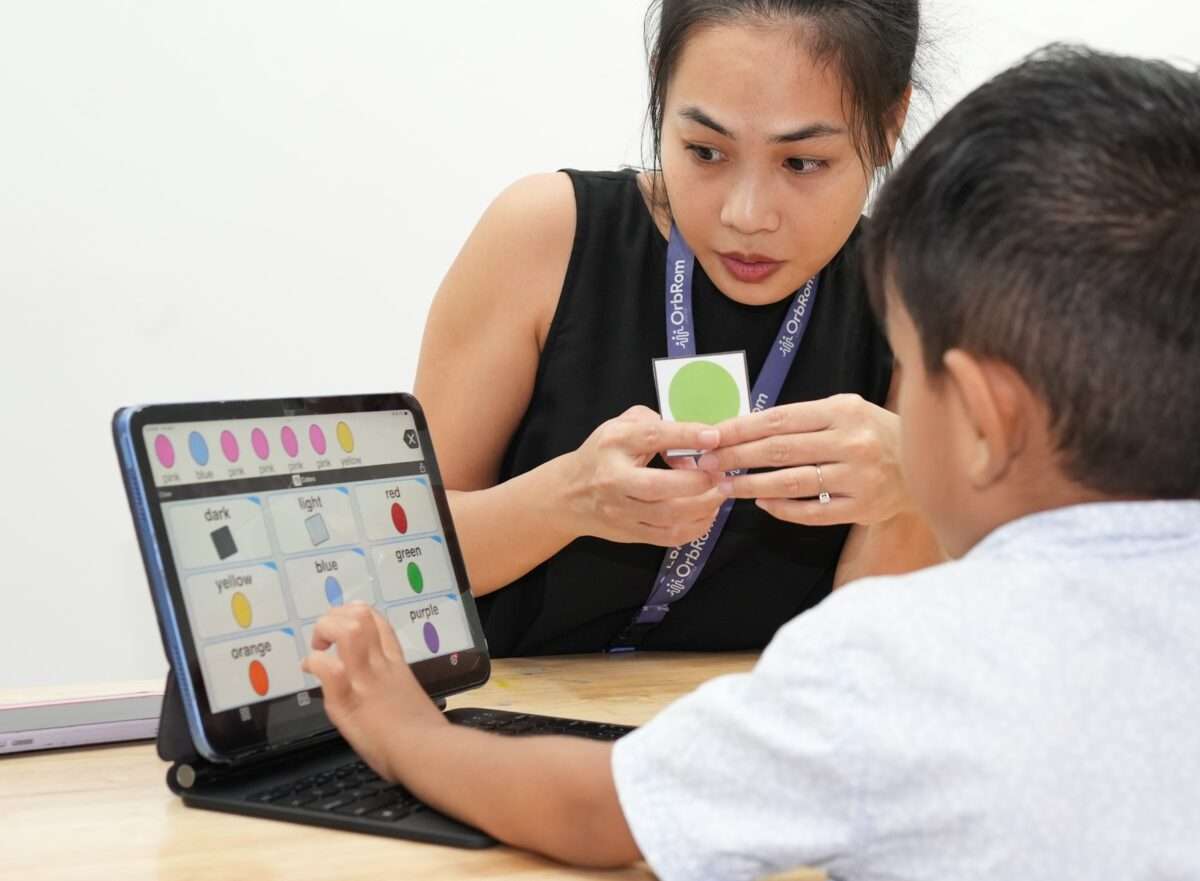
1. Embracing Alternative Modalities for Low-Energy Days
There are times when verbal speech feels exhausting, unreliable, or temporarily unavailable due to fatigue, stress, or speech barriers. Having alternative communication modalities ready ensures you can continue expressing your needs and connecting with others without experiencing burnout. Non-verbal communication is not a fallback; it is a valid, highly efficient way to interact.
2. Utilizing Physical Communication Cards and Badges
Carrying a set of pocket-sized physical communication cards or wearing a discreet badge can transform high-stress environments. These cards can state simple needs clearly—such as 'I use alternative communication' or 'Please allow me a moment to type my response.' Handing a card to a service worker bridges communication gaps instantly and professionally.
3. Leveraging Text-to-Speech and Digital Note Apps
Smartphones offer incredible tools for non-verbal expression. Dedicated text-to-speech apps allow you to type messages that are spoken aloud by a synthesized voice, while simple notepad applications let you show written text directly to clerks, cashiers, or colleagues. Mastering these digital tools empowers you to navigate any environment with confidence.